

Impact Case Studies
Our work has a huge impact both nationally and internationally as we fulfil our mission to be the world's leading innovative centre for preventing and controlling viral diseases of livestock.
We play a crucial role in protecting UK livestock from viruses that have huge socio-economic impact with a unique combination of fundamental research and applied science in diagnostics and control aligned with a One Health approach.
A recent independent report highlights just how significant that impact is - showing that The Pirbright Institute contributes £50 million a year to the UK economy.
Commissioned by Pirbright and carried out by public policy analysts SQW, the evaluation found that this equates to a Gross Value Added (GVA) impact of £471 million over the past decade.
Potential treatments for mpox

In a collaborative effort, researchers from the University of Cambridge, University of Oxford, and The Pirbright Institute discovered how poxviruses, including mpox, evade human immune defenses.
The research revealed that the mpox virus exploits a host protein, cyclophilin A, for its replication, presenting a promising opportunity for treatment using existing drugs.
Cyclophilin A is already a target for drugs used to treat certain viral infections and for immunosuppression. By repurposing non-immunosuppressive versions of these drugs, new treatments for mpox could be developed that:
- Are less prone to viral resistance since they target a host protein rather than the virus itself.
- Could be effective against multiple poxviruses using the same evasion strategy.
- Can be rapidly produced and deployed as they have already undergone clinical trials.
With £2 million in funding from the Biotechnology and Biological Sciences Research Council (BBSRC) and the Medical Research Council (MRC), the Mpox Consortium was formed during the global mpox epidemic in 2022. This consortium has been instrumental in facilitating fast-paced, impactful research, leading to these crucial findings.
Tackling sheeppox and goatpox in Nigeria

Together with the Royal Veterinary College in London and National Veterinary Research Institute (NVRI), Pirbright researchers have worked with scientists, farmers and policy makers in Nigeria to address the devastating impact of sheeppox and goatpox.
These highly contagious diseases severely affect animal health, causing up to 40% mortality, weight loss, and reduced wool and cashmere production. Given Nigeria’s large sheep and goat population, these diseases significantly threaten livelihoods.
Led by Dr Georgina Limon-Vega, the team identified key disease risk factors. They used this information to assess the effectiveness of control measures, finding that vaccination is economically viable for most scenarios.
To aid farmers, they developed an online vaccine cost calculator, enabling them to evaluate the financial benefits of vaccinating their animals.
African Swine Fever Virus (ASFV)

African swine fever virus (ASFV) is a deadly disease affecting pigs, with a potential UK outbreak estimated to cost up to £100 million. The Pirbright Institute plays a key role in protecting pig populations and supporting national preparedness by advising Defra and devolved administrations, and guiding farmers and vets on how to respond to outbreaks.
As one of seven WOAH International Reference Laboratories for ASFV, Pirbright strengthens global resilience by providing diagnostics, training, and policy support. Its unique reference collection of over 500 ASFV strains helps improve virus detection, disinfection protocols, and understanding of how the virus spreads.
The Institute’s long-standing expertise has contributed to the development of candidate vaccines, supporting global efforts to control ASFV despite challenges from wildlife reservoirs in Africa. Its involvement in international projects such as DEFEND and Horizon Europe fosters collaboration and innovation.
Through cutting-edge research and global partnerships, Pirbright not only protects UK agriculture but also helps shape international best practices and policy. Its work continues to advance scientific understanding and strengthen defences against ASFV worldwide.
Foot and Mouth Disease (FMD)
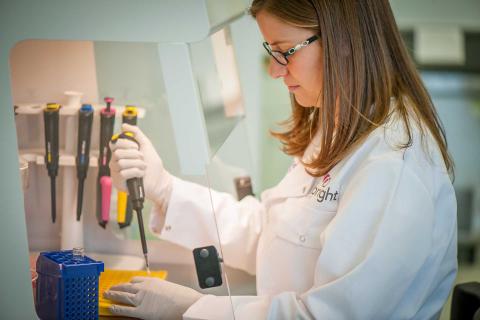
Foot-and-mouth disease (FMD) can cause devastating economic losses, with annual costs in endemic regions reaching up to US$1 billion. The Pirbright Institute plays a vital role in protecting livestock and economies by strengthening national and global preparedness.
As the FAO’s World Reference Laboratory for FMD since 1958, the institute holds the world’s largest archive of FMD samples and provides expert diagnostics, training, and strategic advice. In the UK, it serves as Defra’s National Reference Laboratory, delivering rapid evidence to inform outbreak control strategies and trade decisions.
Internationally, Pirbright supports countries where FMD is endemic through surveillance, diagnostics, vaccine monitoring, and collaborative research. For example, its development of a novel thermostable vaccine promises better access in resource-limited settings.
The Institute also co-developed the openFMD platform and regional roadmaps to improve knowledge sharing and coordinated responses across Africa and Asia. Its Laboratory Twinning initiative with the African Union’s vaccine centre in Ethiopia helps build local capacity for vaccine evaluation.
Through innovation, collaboration, and scientific excellence, Pirbright’s FMD research continues to protect animal health, food security, and livelihoods around the world.
Leadership in Biosafety
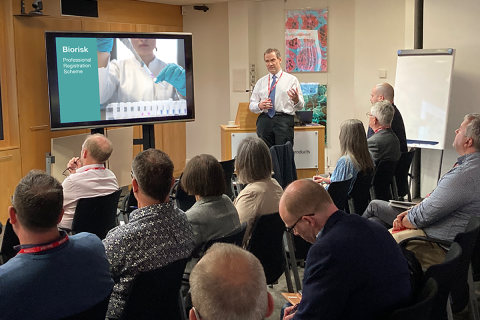
The Pirbright Institute is internationally recognised for its leadership in biosafety, helping to raise global standards in managing biological risks. With around 65% of its resources designated as National Bioscience Research Infrastructure (NBRI) level 1, Pirbright operates high-containment facilities essential for studying serious animal diseases. This expertise supports best practice across the UK and beyond.
Pirbright develops and delivers accredited biosafety training, including online and instructor-led courses. In 2024, it helped launch the Biorisk Professional Registration Scheme (BPRS), approved by the Royal Society of Biology, to support professionals in evidencing and developing skills in biorisk management. Pirbright also provides RSB-accredited training for the scheme.
The Institute chairs the UK’s Biorisk Strategic Leadership Group (BSLG), works with the National Laboratories Alliance, and contributes to BSL4ZNet—a global network of high-containment labs. It also shares knowledge with partners such as Dstl, APHA, NBAF (US), and VIDO (Canada), strengthening biosafety capacity worldwide.
Through strategic partnerships, training, and thought leadership, the Pirbright Institute helps ensure safe and effective research environments, reinforcing the UK’s position at the forefront of biosafety innovation.
Contribution to the UK COVID-19 response
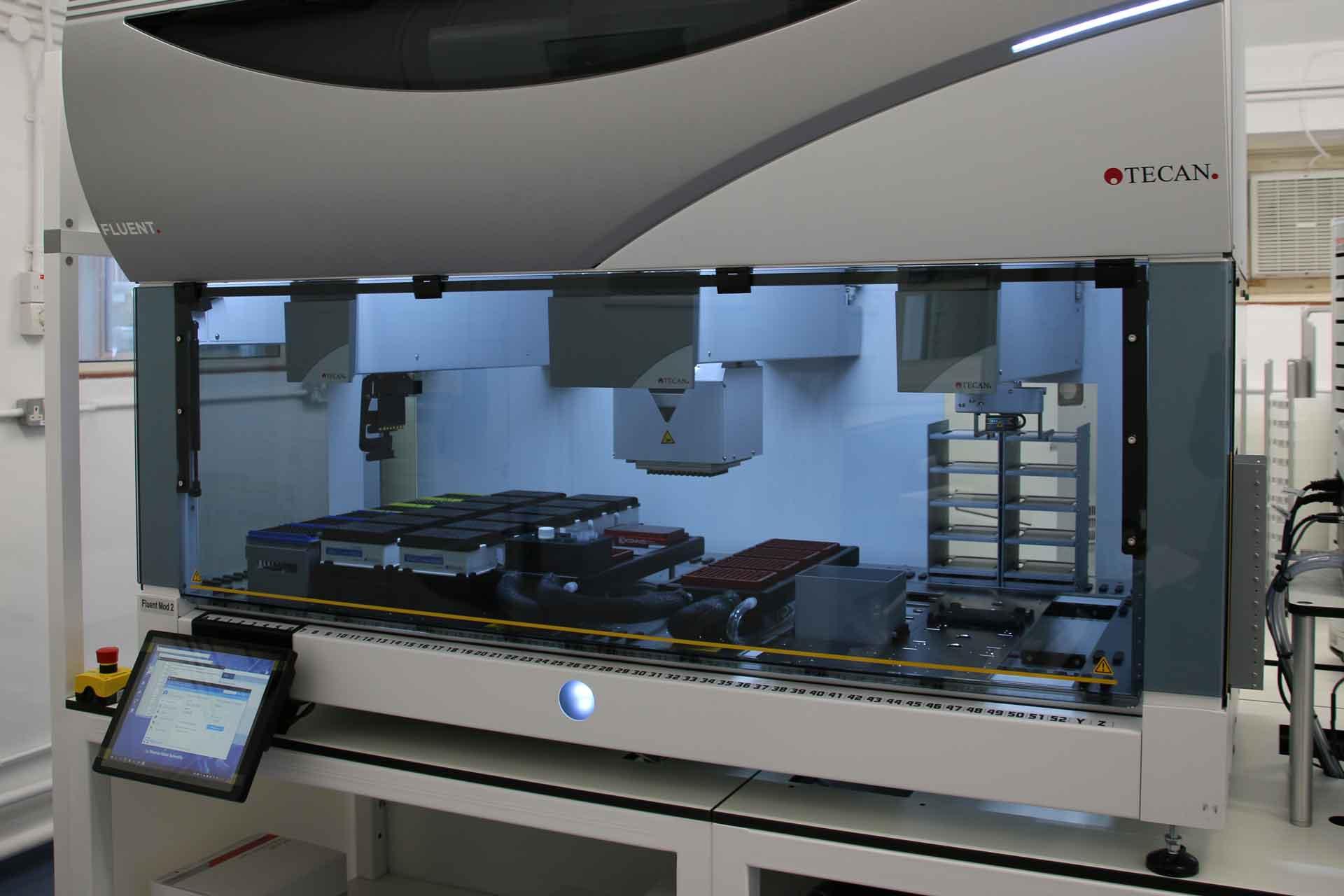
The Pirbright Institute played a key role in the UK’s fight against COVID-19, using its expertise in animal coronaviruses to support vaccine development, testing, and virus tracking.
As part of the Oxford-AstraZeneca vaccine team, Pirbright scientists showed that two doses significantly boosted antibody responses in pigs. This evidence helped shape the UK’s two-dose vaccination strategy, which reduced hospitalisations and saved lives.
To support national testing efforts, Pirbright provided 13 high-throughput instruments to the UK’s National Coronavirus Testing Centre and deployed over 60 staff to assist Public Health England. The Institute also helped set up The Lighthouse Laboratory in Bracknell, training NHS staff and supporting the Test and Trace programme.
Pirbright’s research into virus mutations, through the G2P-UK Consortium, informed Government decisions on vaccine boosters and lockdowns. It also led a global research network, coordinating efforts across 500+ scientists to prepare for future pandemics.
Pirbright’s rapid response and scientific leadership demonstrated its value as a National Capability—delivering vital knowledge, tools, and people to help protect public health.
Virus Evolution and Transmission
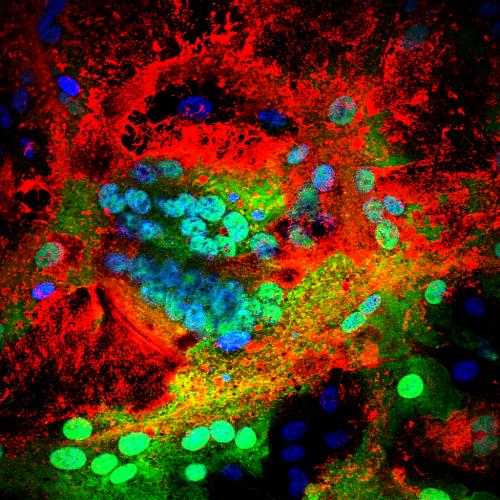
Understanding how viruses change and spread is key to stopping disease outbreaks before they happen. At The Pirbright Institute, scientists study viruses and the animals they infect, using cutting-edge tools to track how diseases move and evolve. This helps protect livestock, safeguard livelihoods, and prepare for future health threats.
In countries like Cameroon, Nigeria, and Nepal, Pirbright researchers have used simple environmental sampling methods to detect serious livestock diseases such as Foot-and-Mouth Disease (FMD) and Peste des Petits Ruminants (PPR). These low-cost techniques allow for early warning and faster responses, especially in areas with limited resources.
The Institute has also used genetic analysis and disease modelling to study Bluetongue virus (BTV) in India and Lumpy Skin Disease (LSD) in Europe and Africa. This work has helped guide control strategies and even led to the discovery of a new type of LSD virus in West and Central Africa.
During the COVID-19 pandemic, Pirbright scientists explored how the virus moved between animals and humans. Their findings are helping us understand what makes viruses jump species—and how we can stop future pandemics before they start.
Through innovative science and global collaboration, Pirbright is making a real difference in how we detect, understand, and respond to disease threats—protecting animals, people, and economies around the world
One Health Animal Models
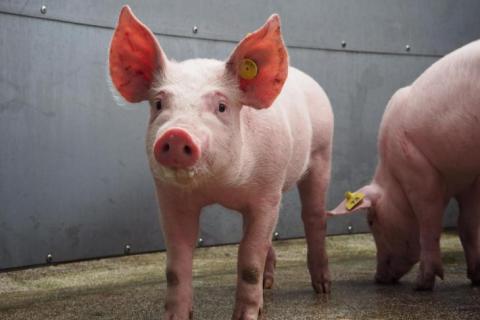
The One Health approach recognises the deep connections between human, animal, and environmental health. At The Pirbright Institute, scientists use animal models to better understand and tackle diseases that affect both animals and people.
Pirbright pioneered the use of pigs to study human respiratory viruses, showing their biological similarity to humans. This model has been used to test flu and COVID-19 vaccines. Research using cows led to the development of a bovine respiratory syncytial virus (bRSV) vaccine, which directly supported the approval of a human RSV vaccine - now licensed for older adults and pregnant women, with the potential to save thousands of lives each year. In poultry, Pirbright’s research into viral oncogenesis helps explain how viruses trigger cancer, offering insights into how mutated genes (oncogenes) behave across species.
Beyond research, Pirbright fosters collaboration through partnerships with the MRC-University of Glasgow Centre for Virus Research and the One Health Vector-Borne Diseases Hub led by Imperial College London. These initiatives promote data sharing and coordinated responses to emerging threats.
Pirbright’s work exemplifies the One Health vision - delivering cross-species insights that improve global health and strengthen preparedness for future outbreaks.
Rinderpest Eradication
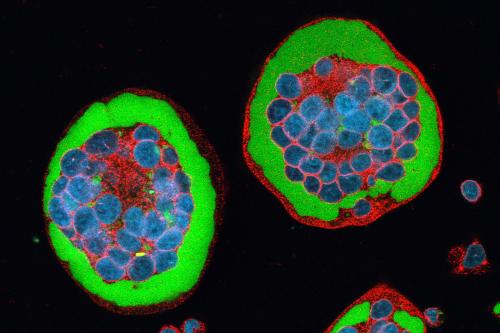
For centuries, rinderpest virus caused devastating losses to livestock, threatening food security and rural economies across the world. This deadly disease had a mortality rate of up to 90% and targeted domestic cattle and buffalos in Europe, Africa, and Asia.
The Pirbright Institute as a reference laboratory for RPV, played a key role in supporting the eradication of rinderpest. It supported the development of diagnostic tools, coordinated testing, and enabled national surveillance. Its work contributed to the development of novel vaccines, including the highly effective vaccine created by Professor Walter Plowright.
In 2011, the World Organisation for Animal Health (WOAH) declared rinderpest as officially eradicated, marking this historic milestone as the second viral disease ever eliminated after smallpox.
Following this success, Pirbright became designated as a Rinderpest Holding Facility and led a “Sequence and Destroy” initiative, sequencing over 3,000 virus samples before safely destroying them in 2019.
Pirbright’s contributions were recognised by the FAO with a medal and certificate of thanks. This achievement is a powerful example of how science, collaboration, and dedication can drive global progress and inspire efforts to combat other livestock diseases.
Tackling Marek’s Disease
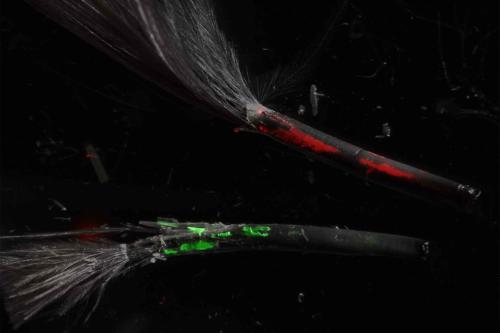
Marek’s disease virus (MDV) is a highly contagious viral pathogen that poses a serious challenge to poultry industry worldwide, estimated to cost up to US $2 billion every year. Although broadly controlled using widespread vaccination, frequent mutations as well as the virus’ ability to survive for long periods both within the host and in the farm environment, make MDV hard to eradicate completely, therefore putting financial and operational risks for farmers.
For over 50 years, The Pirbright Institute has led research into MDV, uncovering how the virus evolves and spreads. In partnership with the University of Oxford and LMU Munich, Pirbright scientists traced back MDV more than 1,000 years using ancient chicken bones, revealing genetic changes that had made modern strains more deadly.
Understanding how MDV weakens the immune system has enabled the development of innovative vaccines. Recently, Pirbright has successfully developed multivalent vaccines that protect birds against both MDV and pathogens such as avian influenza—saving farmers time and money while improving poultry health.
As the World Organisation for Animal Health (WOAH) Reference Laboratory for MDV, Pirbright provides global diagnostic expertise, monitors vaccine effectiveness, and tracks outbreaks in regions such as Malaysia and Indonesia. This surveillance ensures early detection and rapid intervention, reducing economic losses and strengthening food security worldwide.
Nipah Virus in Pigs
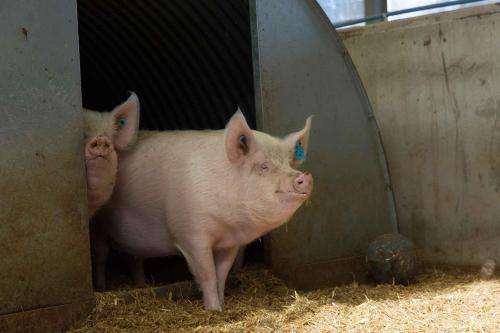
Nipah virus is one of the world’s most dangerous zoonotic diseases, spreading from animals to humans and causing severe illness and death. Listed as a priority by the World Health Organization (WHO), the first and largest outbreak occurred in Malaysia, where pig-to-human transmission led to the culling of nearly half the country's pig population, resulting in devastating losses for farmers.
The Pirbright Institute is addressing this threat by developing a safe and affordable vaccine for pigs. Such a vaccine would cut off one of the key virus transmission routes before it reaches people. Working with experts in the UK, Bangladesh and Australia, the Institute recently developed three vaccine candidates. Trials, including in high-risk areas of Bangladesh, proved all three vaccine candidates safe and effective, offering real hope for preventing future outbreaks. This breakthrough could protect lives, food security, and farming communities.
However, the rare nature of Nipah outbreaks limits the commercial interest in a vaccine for pigs. To address this, Pirbright has partnered with German researchers to engineer a vaccine widely used against a common disease in Asia so that it also provides pigs with immunity to Nipah - providing a financially viable strategy to keep animals and people safe.
This work highlights the importance of the One Health approach, which links human, animal, and environmental health.
Animal Vaccine Innovation

Livestock diseases can pose a serious threat to food security, rural economies, and public health—especially in low- and middle-income countries (LMICs). The Centre for Veterinary Vaccine Innovation and Manufacturing (CVIM), established in 2022, is addressing this challenge by bridging the gap between basic research and late-stage product development, strengthening manufacturing capabilities to produce scalable, affordable treatments.
Supported by Biotechnology and Biological Sciences Research Council (BBSRC), Foreign, Commonwealth & Development Office (FCDO), and the Gates Foundation, CVIM is based at The Pirbright Institute and will open a new state-of-the-art pilot-scale Good Manufacturing Practice (GMP) facility in 2026. The CVIM team is currently working on assessing the suitability of several vaccine candidates and vaccine modalities, including RNA vaccines, which offer fast development times, broad immune responses, and targeted approaches against viral proteins.
Working with strategic partners, CVIM is advancing vaccine and vaccine manufacturing innovations and supporting skills development in LMICs. By turning cutting-edge research into practical solutions, CVIM is also boosting the UK’s emergency response capacity and delivering lasting impact for communities around the world.
Supporting Engineering Excellence

Behind Pirbright’s scientific research is our dedicated team of 65 engineers. Operating 24/7, 365 days, the engineers are always on-site to respond to immediate engineering needs and ensure the Institute is running safely and efficiently under strict health and safety and biological safety regulations.
Close collaboration between our Engineering and Scientific teams is what drives high-quality research with far reaching socio-economic benefits. To support this, the Estates Maintenance Services (EMS) Strategy was designed to enhance quality control, project management, and safety across the Institute. Through advanced planning of maintenance and safe handover processes of the high containment laboratories and animal facilities, our engineers minimise laboratory downtime, enabling critical research to continue without disruption.
The Institute is equally committed to developing future leaders. Its two-year Senior Leadership Development Programme provides clear career progression for engineers, while the apprenticeship scheme offers hands-on experience in mechanical and electrical engineering. Working closely with a local technical college, Pirbright recruits talented apprentices every year to shape the next generation of specialists.
Pirbright’s recent partnership with the Society of Operations Engineers (SOE) further strengthens professional development through Continual Professional Development (CPD) opportunities. By investing in our engineers, Pirbright ensures they remain at the forefront of high-containment science and technology. Together, these efforts build a future of engineering excellence that supports and works alongside scientific innovation to deliver a meaningful impact for society.
One Health Poultry Hub
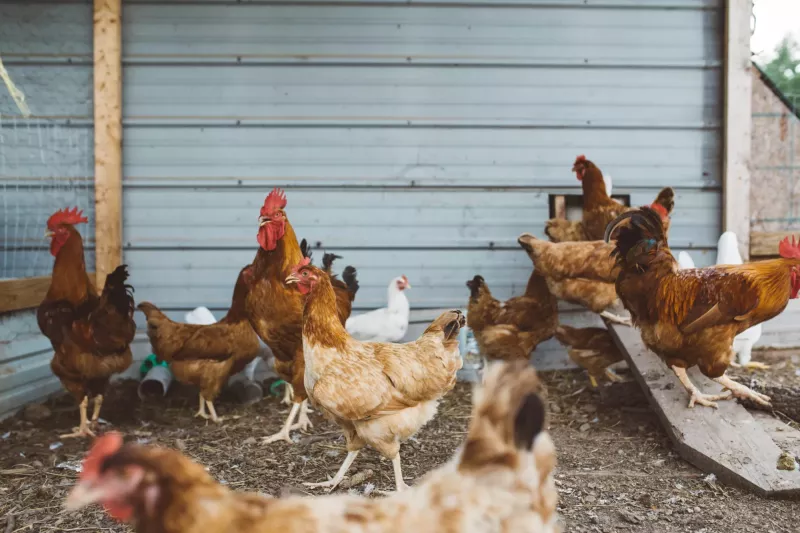
Poultry production is booming across Asia, but with rapid growth, it brings serious risks. Unsafe farming practices, weak biosecurity, and complex supply chains create conditions for disease emergence, zoonotic spillover, and the spread of antimicrobial resistance. These challenges threaten both human and animal health while complicating efforts to meet rising food-security demands safely and sustainably.
The One Health Poultry Hub tackles these risks head-on. Funded by UK Research and Innovation (UKRI) through the Global Challenges Research Fund (GCRF), the Hub operates in Bangladesh, India, Sri Lanka, and Vietnam, addressing challenges spreading between chickens and people - a critical step toward designing effective interventions.
Pirbright plays a key role in this global effort. Through collaborative research, Pirbright researchers contributed to mapping poultry systems to pinpoint disease hotspots, analysed pathogen diversity and antimicrobial resistance, and explored socio-economic factors behind risky practices. These insights engineered, developed and proposed interventions, such as improvement in biosecurity measures, hygiene practices and disease control strategies, and modelled how pathogens such as avian influenza spread through markets, farms and small-scale holdings.
The Hub’s goal is clear: safer poultry, stronger food security, and sustainable livelihoods. By improving food safety and poultry productivity, it supports farmers, creates safer supply chains, and helps countries meet growing demand for affordable protein.
Understanding the Human Immune System Through the Pig Model
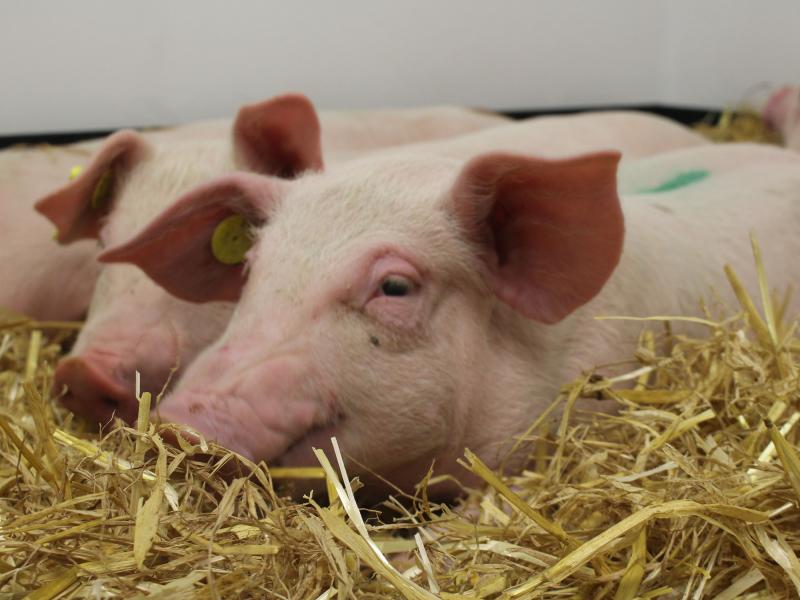
The immune system is one of the most intricate defence networks in nature, relying on countless interactions between organs, cells and signalling pathways. To understand how it responds to diseases, researchers use animal models that reveal the interactions and pathways beyond the reach of cell cultures or computer simulations. Watch our recent short video to find out more.
At the Pirbright Institute, pig models are key to understanding how pathogens interact with the immune system which allows us to develop effective prevention strategies. Professor Elma Tchilian and her group have shown that pigs are essential for uncovering how mucosal delivery of vaccines, monoclonal antibodies (mAbs) and other therapeutics can prevent severe disease and block the transmission of respiratory pathogens. Her team produced the first influenza‑specific pig mAbs, which target the same viral regions as human antibodies. Their findings demonstrate that delivering antibodies directly to the respiratory tract, by inhalation, nasal sprays or topical application, could offer powerful new tools to prevent infections with influenza and coronaviruses.
Pig models are also reshaping our understanding of genetic diseases that weaken immunity. Working with German university partners, Dr Wilhelm Gerner’s group identified a previously unrecognised immune abnormality present at birth in a genetically modified pig model of cystic fibrosis. This defect alters immune cell composition in the lung and reduces the ability of innate cells to clear microbes and debris, highlighting the need for new immunological treatments.
Because of their close similarity to humans, pig models provide an unparalleled platform for developing next‑generation vaccines and therapeutics. By offering a realistic large natural host model to test immune‑based interventions, they accelerate progress for both human and animal health. Through a One Health approach, pig‑based research at Pirbright strengthens global disease resilience and delivers advances that benefit all of society.
Supporting Zoo Conservation with Vector-Proof Facilities
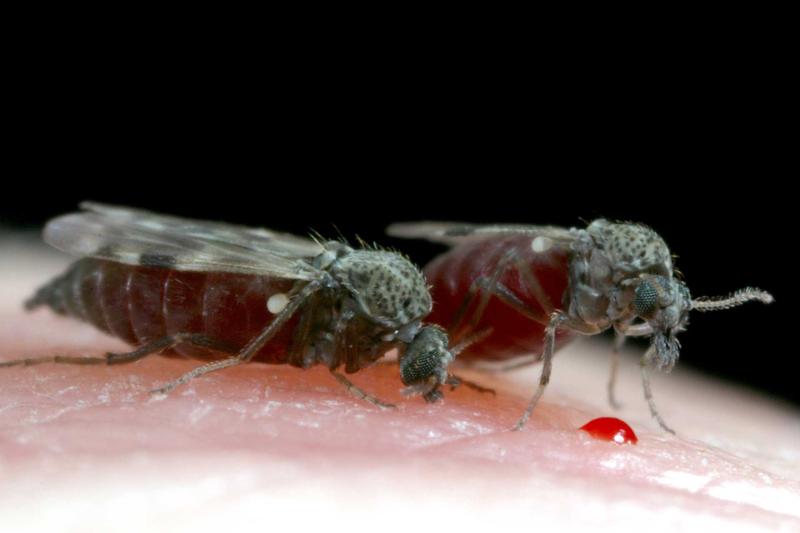
Bluetongue is a disease spread by Culicoides biting midges, posing a serious threat to ruminant health. In the UK, current trade restrictions prevent zoos from importing or exporting animals, severely impacting conservation breeding programmes and animal welfare.
To enable safe movement, current regulations require animals to be housed in vector-protected accommodation (VPA) for 30 days before and after transport. With no licensed vaccines for exotic species and no legal route to bypass these requirements, VPA has become the only viable solution.
In collaboration with the Zoological Society of London (ZSL), The Pirbright Institute led research into effective vector-proofing methods. Under the leadership of Marion England, the team tested readily available vector-proofing materials on standard animal stables and demonstrated their effectiveness in protecting animals against Culicoides midges.
This evidence-based guidance has been widely shared across the zoo community and endorsed by the British and Irish Association of Zoos and Aquariums (BIAZA), driving collective action to establish VPA facilities. By providing practical, scientifically backed solutions, this initiative helps to safeguard animal welfare, supports global conservation commitments, and supports zoos to continue vital breeding programmes.